RAINSCat Rescue

Lost & Found

Found a Cat? Lost a Cat? Start Here.

Calm, step-by-step guidance for some of the most stressful moments in cat welfare — written to protect you, the cat, and any owner who may be searching.

If You Found a Cat

1. Observe before acting

Watch from a distance. Is the cat clean and confident (possibly a neighbor's pet), ear-tipped (a managed community cat), friendly but scruffy (possibly a lost pet), or injured or distressed (needs urgent help)? Your observation determines the right next step.

2. Approach safely

Crouch, speak softly, and let the cat come to you. Never chase. Do not attempt to handle a cat who is hissing, swatting, or cornered — frightened cats can scratch and bite, and forced handling puts everyone at risk.

3. Check for identification

Look for a collar and tags. If you can safely contain the cat in a carrier or secure room, any veterinary office or animal shelter can scan for a microchip free of charge. Many found cats are lost pets with families looking for them.

4. Report and search

File a found-cat report with local animal shelters and animal control, post in local lost-and-found pet groups with a photo and the general location, and check lost-cat listings. Following the proper found-pet process protects the cat's owner — and any future adoption.

If you found kittens

Wait and watch before touching them — their mother is often nearby hunting and is their best chance of survival. Intervene if the kittens are injured, cold, dirty, crying persistently, in immediate danger, or truly alone after several hours of observation. Very young kittens need specialized care quickly; contact a rescue or veterinarian for guidance right away.

If the cat is injured

Contact animal control or an emergency veterinary clinic promptly. Approach with caution — injured animals may scratch or bite — and do not attempt to give medication or treat wounds yourself. RAINS CAT RESCUE is not an emergency service, but we can offer guidance during business hours at 614-336-4622.
If You Lost Your Cat

1. Search your home first

Indoor cats who "go missing" are often inside: check closets, behind appliances, inside box springs, cabinets, and anywhere small and dark. Then search your immediate surroundings — most lost cats are found within a few houses of home, hiding silently.

2. Search at quiet times

Go out at dawn, dusk, or late night with a flashlight (look for eye shine), a familiar treat bag or toy sound, and your calm voice. Check under porches, decks, sheds, and cars. Frightened cats often stay silent even when their person calls.

3. Spread the word

Notify neighbors and ask them to check garages, sheds, and basements. Post in local lost-pet groups with a clear photo, description, and general location. File lost reports with local shelters and check them regularly — in person when possible, since descriptions over the phone are unreliable.

4. Use scent and microchips

Confirm your contact information is current in your cat's microchip registry — this is how finders and shelters reach you. Familiar scents outside (your worn clothing, your cat's bedding) may help guide a nearby cat home.

5. Don't give up

Lost cats are reunited with their families weeks and even months later, particularly microchipped cats. Keep checking shelters, keep your listings active, and keep your phone number reachable.

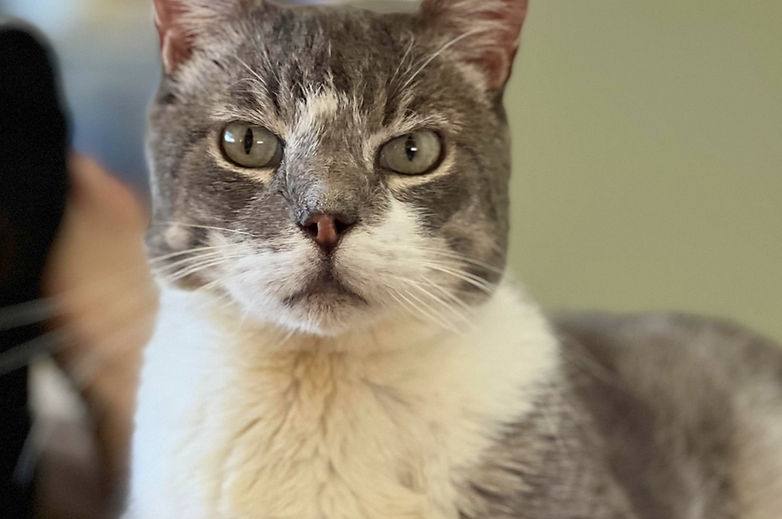
A cautious found cat resting safely indoors

If You See a Missing-Cat Post

You can be the reason a family gets their cat back. If you spot a cat matching a lost-cat listing, note the location and time, take a photo if you safely can, and contact the owner through the listing — don't post the exact location publicly, and never attempt to catch a fearful cat yourself unless the owner asks.

For more guidance, see our articles on helping stray cats safely and understanding community cats, or contact us — we're glad to help.

Ready to make a difference for a cat?

Whether you adopt, foster, volunteer, or give, every action helps a cat move closer to safety and a loving home.