Community Cats
Community Cats & Humane Population Management
The cats living outdoors in our neighborhoods deserve humane, informed responses. Here's what community cats are, and what genuinely helps them.
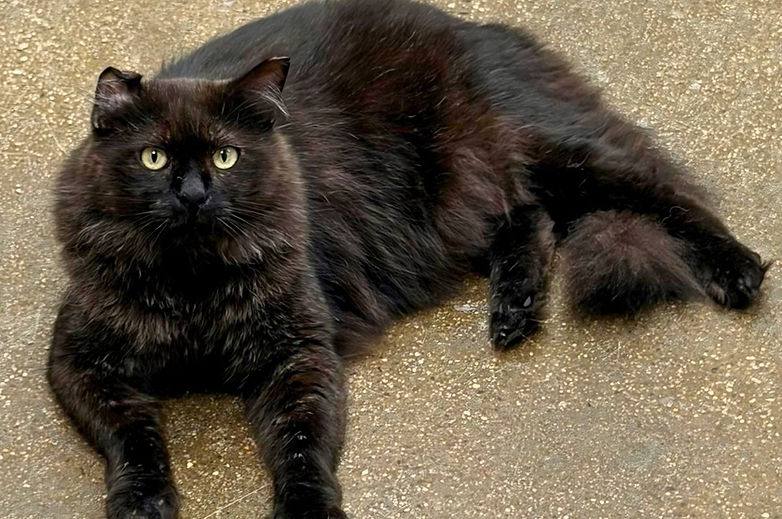
What Are Community Cats?
Community cats are unowned or loosely owned cats who live outdoors full- or part-time. They exist in nearly every neighborhood, and they are not all the same:
- Stray cats were once socialized to people. They may approach you, meow, and look disheveled. Many are lost or abandoned pets who can be reunited or rehomed.
- Feral cats have little or no human socialization. They avoid people, stay quiet, and are often active at dawn and dusk. Adult feral cats are generally not adoption candidates — their home is outdoors.
- Owned outdoor cats have homes but roam. They can look identical to strays, which is why identification checks matter before any intervention.
Why Cats Live Outdoors
Outdoor cat populations come from lost pets never reclaimed, cats abandoned when families move, and generations of kittens born to unsterilized mothers. Unmanaged, populations grow quickly — which is why humane population management, not removal or neglect, is the approach that actually works.
Spay/Neuter and TNR
Trap-Neuter-Return (TNR) is the most widely supported humane strategy for community cats. Cats are humanely trapped, sterilized and vaccinated by a veterinarian, ear-tipped (a painless, universal sign the cat has been through the program), and returned to their outdoor home. Sterilization stops the cycle of litters, and over time the population stabilizes and declines naturally. Vaccination protects the cats and public health, and sterilized cats roam, fight, spray, and yowl far less.
TNR is not the right response to every individual situation. Sick or injured cats need care, very young kittens may need rescue and socialization, friendly strays may have owners searching for them, and cats should never be returned to dangerous locations. When in doubt, consult qualified local animal-welfare professionals. Our beginner's guide to TNR explains the process step by step.
Feeding Responsibly
If you feed outdoor cats, do it responsibly: feed at consistent times, offer only what cats finish (leftovers attract wildlife and complaints), keep feeding areas clean and discreet, and never feed without also pursuing sterilization — feeding an unsterilized colony accelerates population growth.
Shelter and Weather
Outdoor cats face real danger in extreme weather. Simple insulated shelters — even a plastic storage tote lined with straw (never blankets, which hold moisture) — give cats life-saving refuge in winter. In summer, shade and fresh water matter most.
Monitoring Community Cats
Good colony caregivers keep watch: new arrivals who need to be sterilized, cats who appear sick or injured, and kittens young enough to be socialized and adopted. Keep simple notes on the cats you see — descriptions and ear tips make coordination with rescues much easier.
Kittens and Found Cats
If you find kittens, pause before picking them up — their mother is often nearby and is usually their best chance. If kittens are in danger or truly orphaned, act quickly and contact a rescue. If you find a friendly adult cat, check for identification and a microchip first; many are lost pets. Our Lost & Found Cats page has detailed step-by-step guidance.
When Professional Help Is Appropriate
Contact animal control or emergency veterinary care for injured, sick, or endangered cats. For everything else — TNR planning, colony assessment, questions about a cat in your neighborhood — reach out to local animal welfare organizations. RAINS CAT RESCUE is glad to offer guidance and education; call us at 614-336-4622 or send us a message.
Being a Good Neighbor
Community cats live in shared spaces, and humane management works best when neighbors communicate. If you care for outdoor cats, talk with your neighbors, address concerns promptly, keep feeding areas tidy, and pursue sterilization — it prevents the behaviors (spraying, yowling, fighting) that cause most conflicts in the first place.
Want to help community cats?
Learn about TNR, volunteer with us, or support humane cat welfare work in Columbus.