Bringing Home a New Cat
Set up one quiet room with food, water, a litter box, a scratcher, and a hiding spot before your cat arrives. Let them settle there for the first few days, keep the household calm, and let the cat approach you. Most cats need days to weeks to decompress — patience now builds trust for years. Our home preparation guide walks through every step.
Food & Water
Feed a quality, age-appropriate cat food on a consistent schedule, and transition between foods gradually over a week to avoid stomach upset. Cats evolved as desert animals with a low thirst drive, so encourage hydration: provide fresh water in multiple locations, use wide shallow bowls (many cats dislike their whiskers touching the sides), consider a fountain, and include wet food in the diet. Keep food and water stations away from litter boxes.

Litter Box Setup & Problems
Provide one box per cat plus one extra, in separate, quiet, accessible locations. Most cats prefer unscented, clumping litter and large, uncovered boxes. Scoop daily and wash boxes regularly with mild, unscented soap.
If a cat stops using the box, treat it as information, not misbehavior. First rule out medical causes with a veterinarian — urinary issues are common and can be serious. Then review the setup: cleanliness, box size, litter type, location, and whether another pet is ambushing the box. Most litter box problems are solvable once the cause is found.
Scratching, Grooming & Nail Care
Scratching is healthy and necessary — it maintains claws and marks territory. Offer tall vertical posts and horizontal scratchers near sleeping areas and entrances, and reward their use. Never declaw: it is an amputation with lasting consequences, and humane alternatives (scratchers, nail trims, soft nail caps) exist.
Most cats groom themselves, but regular brushing reduces hairballs and mats — daily for long coats, weekly for short. Trim nails every few weeks by pressing the paw to extend the claw and clipping only the clear tip, avoiding the pink quick. Ask your veterinarian or a groomer to demonstrate the first time.
Enrichment, Toys & Play
Indoor cats need daily outlets for natural behaviors. Provide interactive wand-toy play that mimics hunting (let your cat catch the toy often), puzzle feeders, vertical climbing space, window views, and hiding spots. Rotate toys weekly to keep them interesting. See our enrichment ideas article for a full list.
Safe Indoor Spaces & Cat-Proofing
- Remove toxic plants — lilies are especially dangerous to cats
- Secure window screens and balconies
- Store medications, cleaning products, and chemicals behind closed doors
- Put away string, ribbon, hair ties, and rubber bands — all dangerous if swallowed
- Tuck away or cover electrical cords
- Check recliners, dryers, and behind appliances before use
- Keep toilet lids closed if you use bowl cleaners
Introducing Cats (and Cats to Dogs)
Go slowly — rushing introductions is the most common multi-pet mistake. Start with complete separation and scent swapping, progress to visual contact through a barrier, then short supervised meetings, over days to weeks. Our step-by-step introduction guide covers the full process. For dogs, keep the dog leashed at first meetings, give the cat high escape routes, and never leave them unsupervised until both are reliably calm.
Kitten Care
Kittens need kitten-specific food on a frequent schedule, warmth, kitten-proofed spaces, and gentle socialization during their critical early weeks. Veterinary care begins early: vaccinations starting around six to eight weeks, deworming, and spay/neuter at your veterinarian's recommended age. Very young or orphaned kittens require specialized round-the-clock care — contact a rescue or veterinarian immediately. See our kitten care basics article.
Senior Cat Care
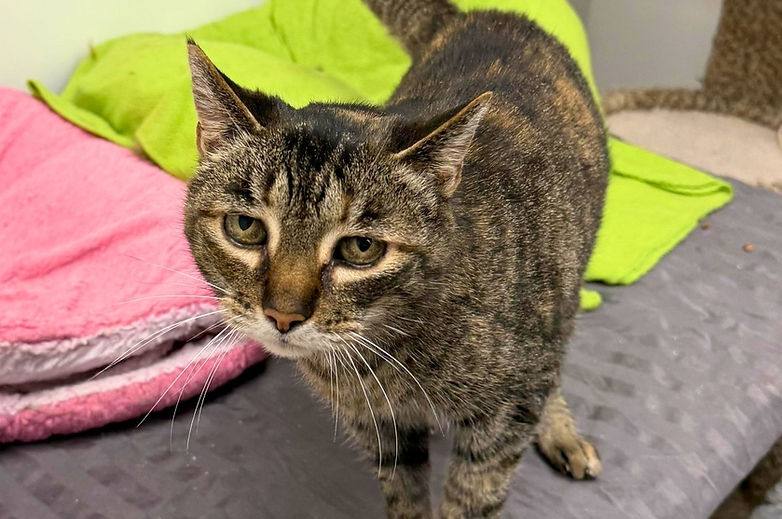
Older cats deserve extra attention: more frequent veterinary checkups (typically twice yearly), easy access to litter boxes with low sides, ramps or steps to favorite perches, softer bedding, and warm resting spots. Watch for changes in weight, thirst, appetite, mobility, grooming, and litter habits — small shifts in seniors often signal treatable conditions like kidney disease, hyperthyroidism, or arthritis.
Recognizing Illness & Veterinary Care
Cats hide illness instinctively. Contact a veterinarian if you notice changes in eating or drinking, vomiting or diarrhea that persists, litter box changes, lethargy, hiding, breathing changes, weight loss, or behavior that's simply "off" for your cat. Annual wellness exams (twice yearly for seniors) catch problems early, when they're most treatable.
Seek emergency veterinary care immediately for difficulty breathing, inability to urinate (especially male cats — this is life-threatening), seizures, trauma, suspected poisoning, collapse, or uncontrolled bleeding. Keep your nearest emergency veterinary clinic's contact information somewhere easy to find.
Responsible Pet Ownership
The heart of cat care is commitment: spaying or neutering, microchipping with current contact information, keeping cats safely indoors, budgeting for routine and unexpected care, and planning for your cat's whole life — including in your will or with a designated caregiver. Our responsible ownership article explores each of these in depth.