Community Cats
Understanding Community Cats
July 20, 2026 · 6 min read · RAINS CAT RESCUE Team
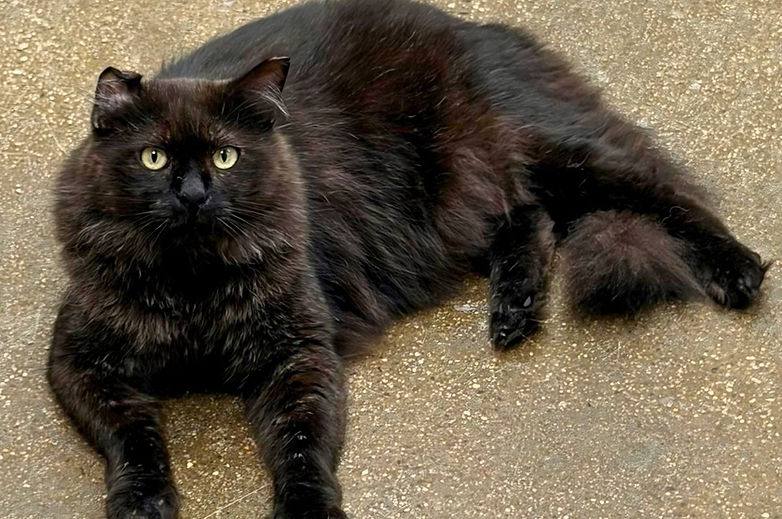
Who are the cats living outdoors in our neighborhoods? Learn the difference between stray, feral, and owned outdoor cats — and how communities can help them humanely.
Almost every neighborhood in America has them: cats who live outdoors, slipping between backyards, porches, and alleyways. Animal welfare professionals call them community cats — unowned or loosely owned cats who live outside full- or part-time. Understanding who these cats are is the first step toward helping them humanely and effectively.
Stray, Feral, and Owned: Three Different Situations
Not every outdoor cat is in the same situation, and the differences matter because they change what 'helping' looks like.
- Stray cats were once socialized to people but are now lost or abandoned. They may approach humans, vocalize, and appear disheveled. Many can be reunited with owners or transitioned back into homes.
- Feral cats have had little or no human contact and behave like wildlife — avoiding people, staying silent, and being active at dawn and dusk. Adult feral cats are generally not candidates for adoption.
- Owned outdoor cats have homes but are allowed outside. They may look identical to strays, which is why checking for identification is so important before intervening.
Why Do Cats Live Outdoors?
Community cat populations come from several sources: lost pets who were never reclaimed, abandoned cats, and generations of kittens born outdoors to unsterilized cats. A single unspayed female cat and her offspring can produce many kittens over time, which is why unmanaged outdoor populations grow quickly.
The Ear Tip: A Universal Sign
If you see an outdoor cat with the very tip of one ear cleanly removed — usually the left ear — you're looking at a cat who has been through a Trap-Neuter-Return (TNR) program. The ear tip, performed under anesthesia by a veterinarian, is a universal, painless signal that the cat is sterilized, vaccinated, and part of a managed colony. Ear-tipped cats generally do not need to be trapped again.
What Humane Management Looks Like
Communities that successfully manage outdoor cat populations rely on a combination of TNR, responsible feeding practices, monitoring, and removing adoptable cats and kittens from the streets. Removing cats without sterilizing the population — or simply stopping feeding — tends to fail, as new cats move in to fill the available territory and food sources.
How You Can Help
Start by observing: is the cat ear-tipped? Friendly or fearful? Injured or healthy? Check for a microchip at a veterinary office or shelter if the cat can be safely handled. Connect with local animal welfare organizations — including RAINS CAT RESCUE — for guidance on TNR resources, found-cat protocols, and next steps for kittens. Thoughtful, informed involvement helps cats far more than well-meaning guesswork.
Questions about anything in this article? RAINS CAT RESCUE is here to help — contact our team.