Community Cats
A Beginner's Guide to TNR (Trap-Neuter-Return)
July 13, 2026 · 7 min read · RAINS CAT RESCUE Team
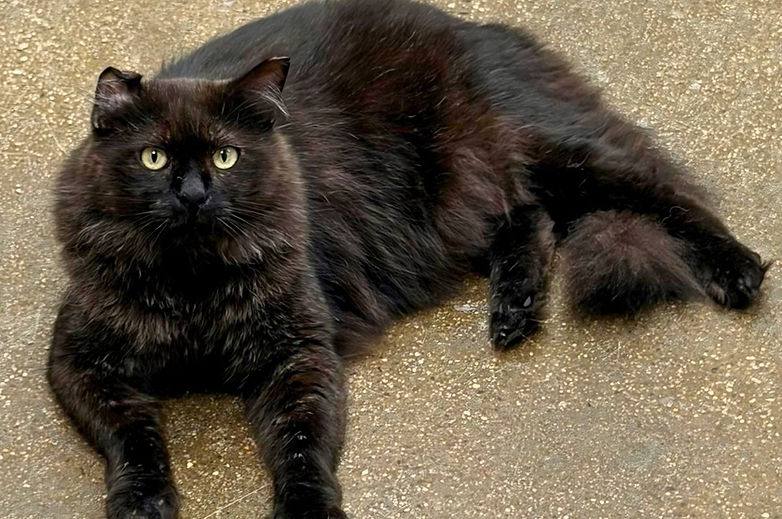
TNR is the humane, evidence-supported approach to managing community cat populations. Here's how it works, why it works, and how to get involved responsibly.
Trap-Neuter-Return — TNR — is the most widely supported humane strategy for managing community cat populations. In a TNR program, outdoor cats are humanely trapped, sterilized and vaccinated by a veterinarian, ear-tipped for identification, and returned to their outdoor home. Kittens and friendly cats who can be socialized are placed into adoption pathways instead.
This guide explains the basics for anyone curious about how TNR works and how to participate responsibly.
Why Sterilization Is the Key
Community cat populations are driven by reproduction. When cats in a colony are sterilized, the population stops growing and gradually declines through natural attrition. Sterilization also reduces behaviors people find difficult to live with: yowling, spraying, fighting, and roaming. Vaccination during the same veterinary visit protects both the cats and public health.
How a TNR Project Typically Works
- Assess the colony: count the cats, note ear tips, identify kittens or friendly adults, and talk with neighbors and any existing feeders.
- Plan with a veterinarian or spay/neuter clinic that accepts community cats, and schedule appointments before you trap.
- Withhold food for 12–24 hours before trapping (never withhold water) so cats enter traps readily.
- Set humane box traps on level ground, bait them, cover them with a towel, and monitor continuously — never leave a set trap unattended.
- Once trapped, keep cats covered, calm, and secure until their veterinary appointment.
- After surgery, hold cats for recovery per veterinary guidance, then return them to the exact location where they were trapped.
- Resume a regular feeding schedule and continue monitoring the colony for new arrivals, illness, or injury.
TNR Is Not Right for Every Situation
Responsible TNR requires judgment. Cats in immediate danger, sick or injured cats, very young kittens, and friendly strays need different interventions. Cats should not be returned to locations where they face serious hazards. When in doubt, consult with local animal welfare professionals — including organizations like RAINS CAT RESCUE and your local animal services — before acting.
The Role of Community Caregivers
TNR works best when someone keeps an eye on the colony afterward. Community caregivers feed on a consistent schedule (which keeps cats healthy and visible), provide weather-appropriate shelter where permitted, watch for newcomers who need to be sterilized, and act quickly when a cat appears sick or injured.
Getting Started
You don't have to do TNR alone. Many communities have spay/neuter clinics, trap-lending programs, and experienced volunteers willing to mentor newcomers. If you've noticed outdoor cats in your Columbus-area neighborhood, reach out — a short conversation can turn concern into an effective, humane plan.
Questions about anything in this article? RAINS CAT RESCUE is here to help — contact our team.